


The LPC Blog
Our well-informed, research based blog posts provide you with resources you can apply to your daily life - backed by information you can trust.
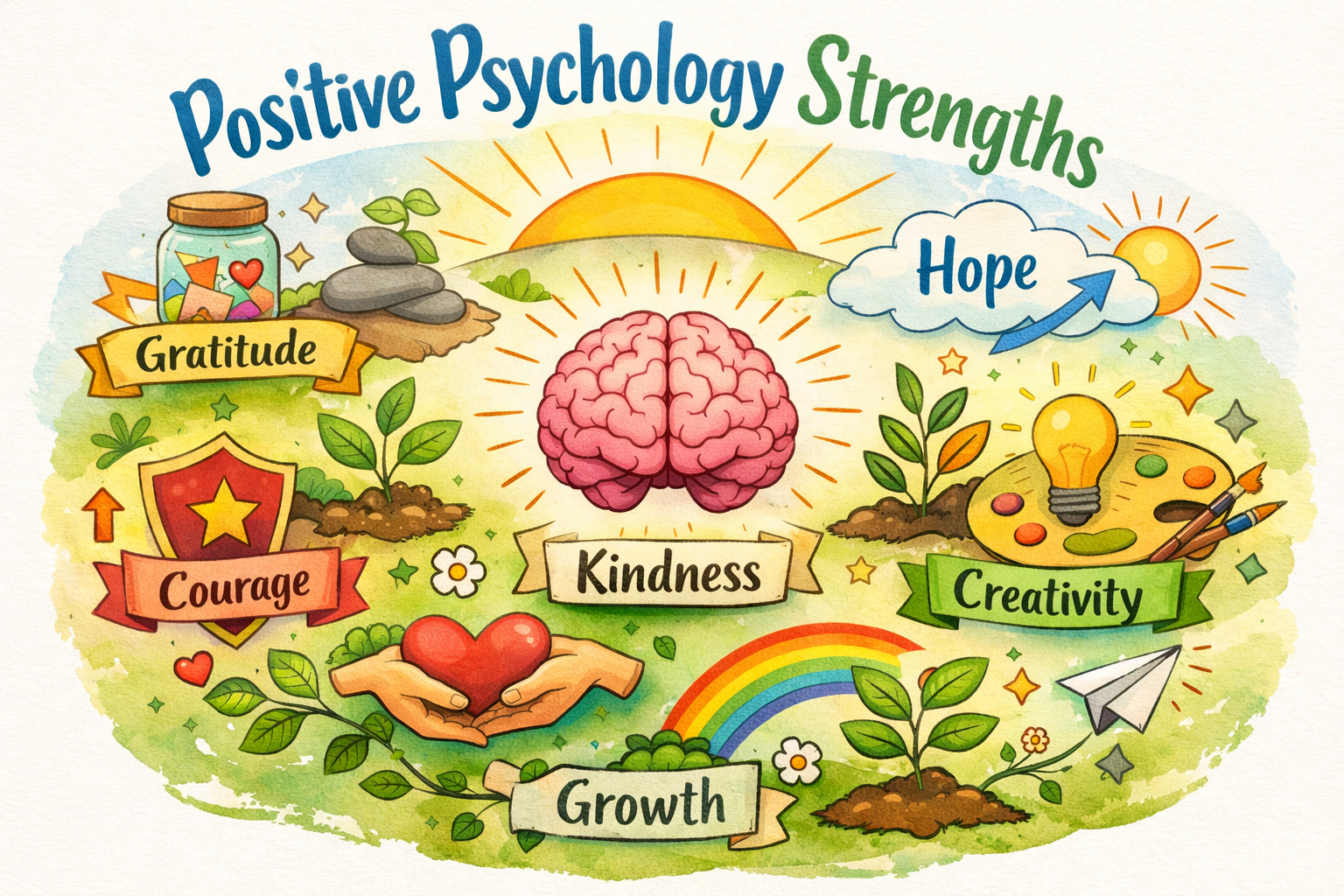
Positive Psychology & Strength‑Based Therapy | Pod Health
Learn how positive psychology and strength‑based psychotherapy improve resilience, well‑being, and trauma recovery. Evidence‑based tools from Pod Health.
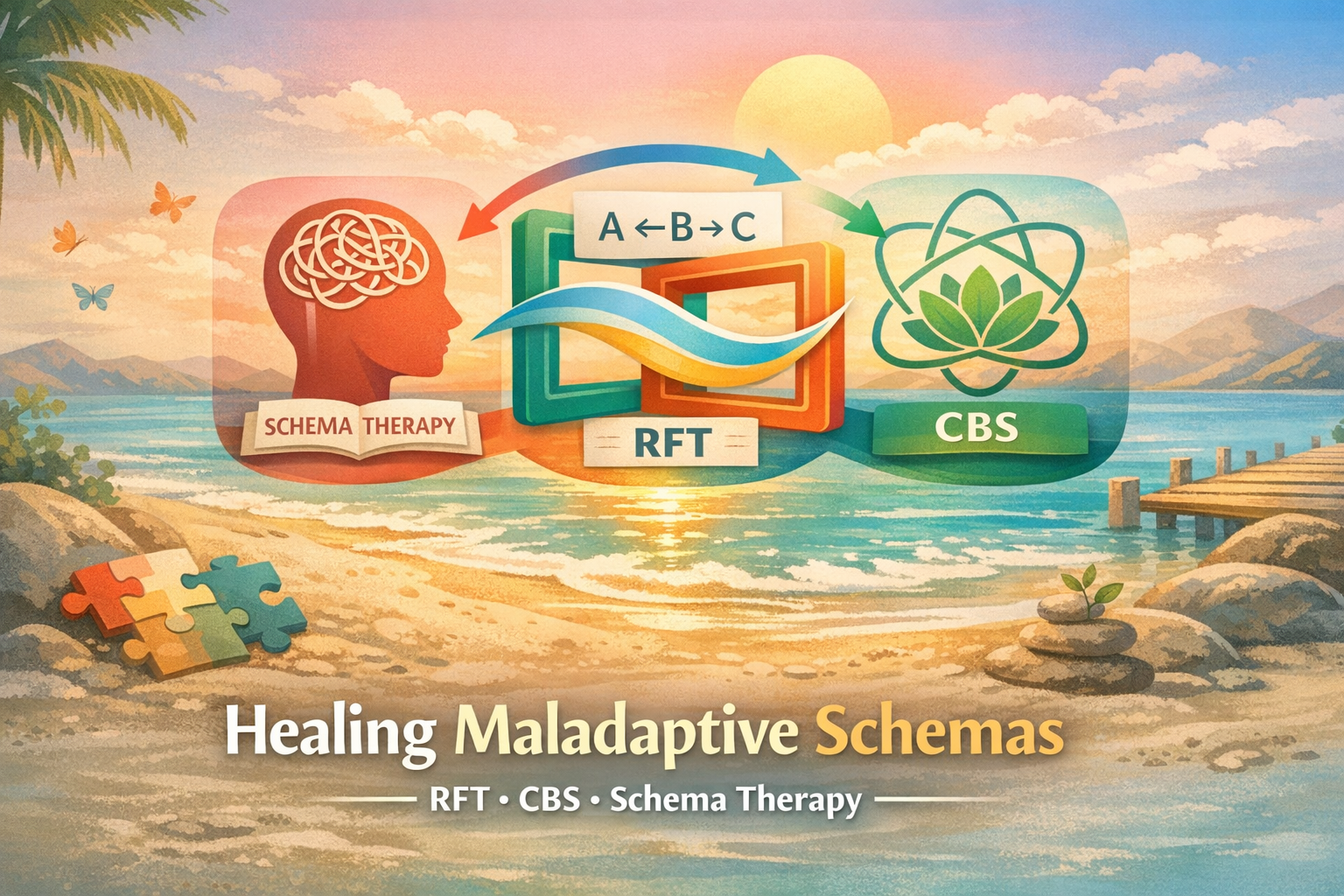
Why We Get Stuck — And How We Grow: RFT, CBS, and Schema Therapy Working Together
Explore how early maladaptive schemas form through relational learning, and discover how Contextual Behavioral Science and Schema Therapy help you overcome rigid patterns with psychological flexibility, values-based action, and self-compassion

Welcome to Pod Health: Where Mental and Physical Wellness Come Together
Discover Pod Health, where therapy and movement come together to help you live with vitality. Our integrative wellness model blends mental and physical health in a beach‑inspired, evidence‑based environment that’s human, empowering, and built for real life.
How Pod Health Uses Assessment Measures to Guide Evidence‑Based Care
At Pod Health, we use evidence‑based assessment tools to guide every step of your wellness journey. From the BADS and SLS to the VLQ, CFQ, and AAQ, our measures help us understand your needs, track your progress, and tailor treatment so you can live with vitality. Clients complete these assessments at admission, during progress checks, and at discharge to ensure care that’s clear, personalized, and effective.
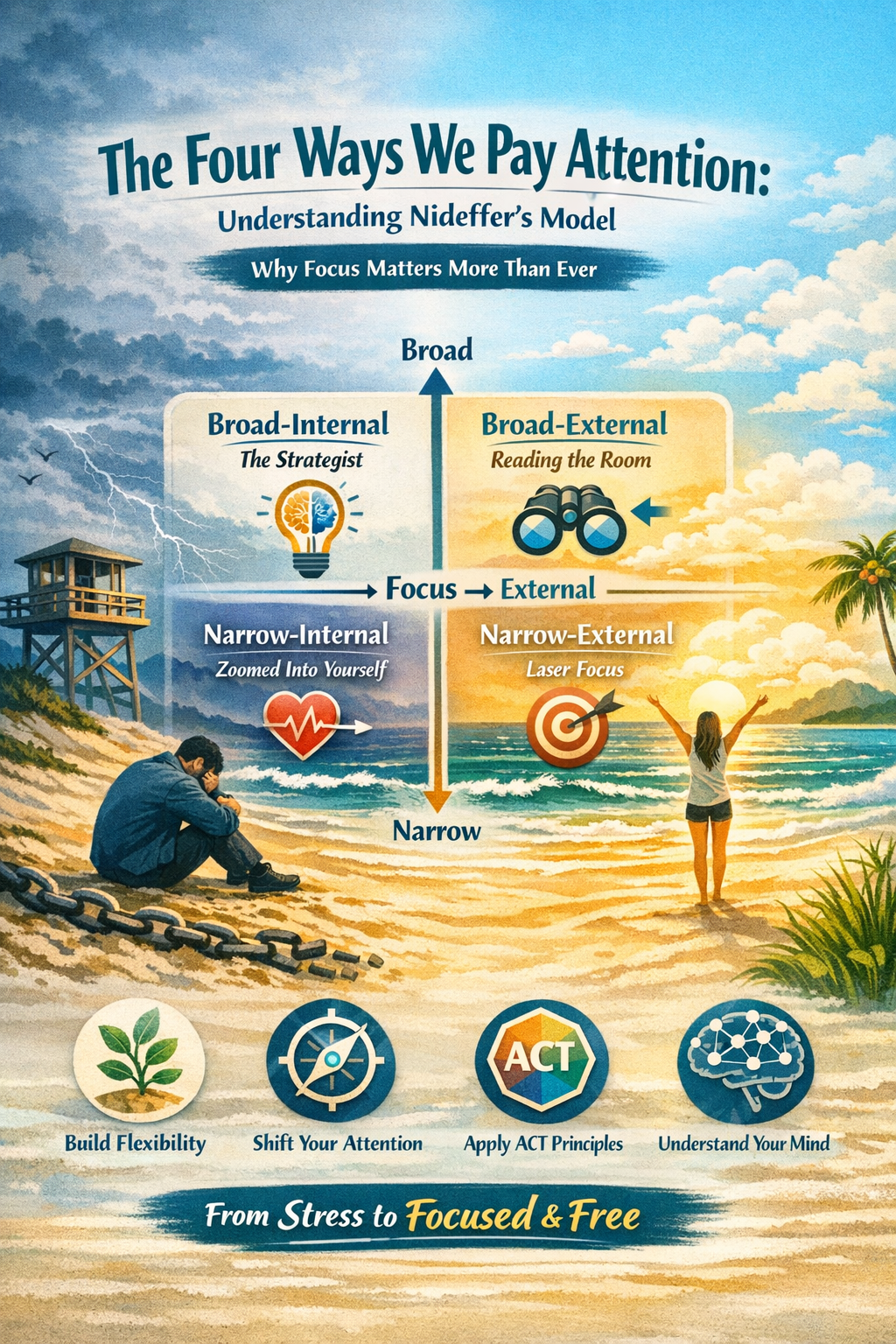
The Four Ways We Pay Attention: Why Nideffer’s Model Matters in a World of Overwhelm
In a world of constant stimulation and stress, attention is more than focus—it’s a relational process that shapes how we think, feel, and act. This post explores Dr. Robert Nideffer’s four attentional styles and connects them to Relational Frame Theory and Contextual Behavioral Science, offering practical tools to build flexibility, reduce overwhelm, and shift intentionally between modes. Whether you’re a clinician, parent, or performer, understanding how we pay attention can transform how we live.
Process‑Based Therapy & Relational Frame Theory: How Modern Psychotherapy Helps People Suffer Less and Live More Fully
Modern psychotherapy is shifting—from diagnosing disorders to understanding the processes that shape how we think, feel, and relate. Process-Based Therapy (PBT) is at the heart of this evolution, offering a flexible, science-backed framework for helping people suffer less and live more fully. Grounded in Relational Frame Theory (RFT), PBT helps therapists guide clients toward psychological flexibility, values-based action, and compassionate perspective-taking. Instead of treating symptoms in isolation, it transforms the way people relate to their thoughts, emotions, and memories—unlocking new pathways to healing and growth.

Relational Frame Theory and Long-Term Performance
Moving towards adaptable growth for long-term sporting success.

Yoga for Depression Relief
Improve your mental health and treat depression with a yoga practice.

Unlocking Peak Performance: Ecological Psychology and the Constraints-Led Approach at Pod Health
Improve your mental health and sports performance with concepts from Ecological Psychology and The Constraints-Led Approach.

3 Physical Care Activities that Promote Mental Health
Your mental health is completely and totally interconnected with your physical health! They are two peas in a pod!

TRE (Tension/Trauma Releasing Exercises)
TRE is being used around the world to improve our mental health.

My Favorite Way to Use Cognitive Defusion in Real Life
Cognitive Defusion (just Defusion for short) is one of the 6 core processes in Acceptance and Commitment Therapy. Defusion helps us get space from unhelpful thoughts so that we can do more of what is important in our lives.

Rocket Fuel- Prepare for Launch
Flow states may be part of the puzzle for improving mental health. Flow comes with powerful neurochemicals (a.k.a. Rocket Fuel. So buckle up and prepare for launch!